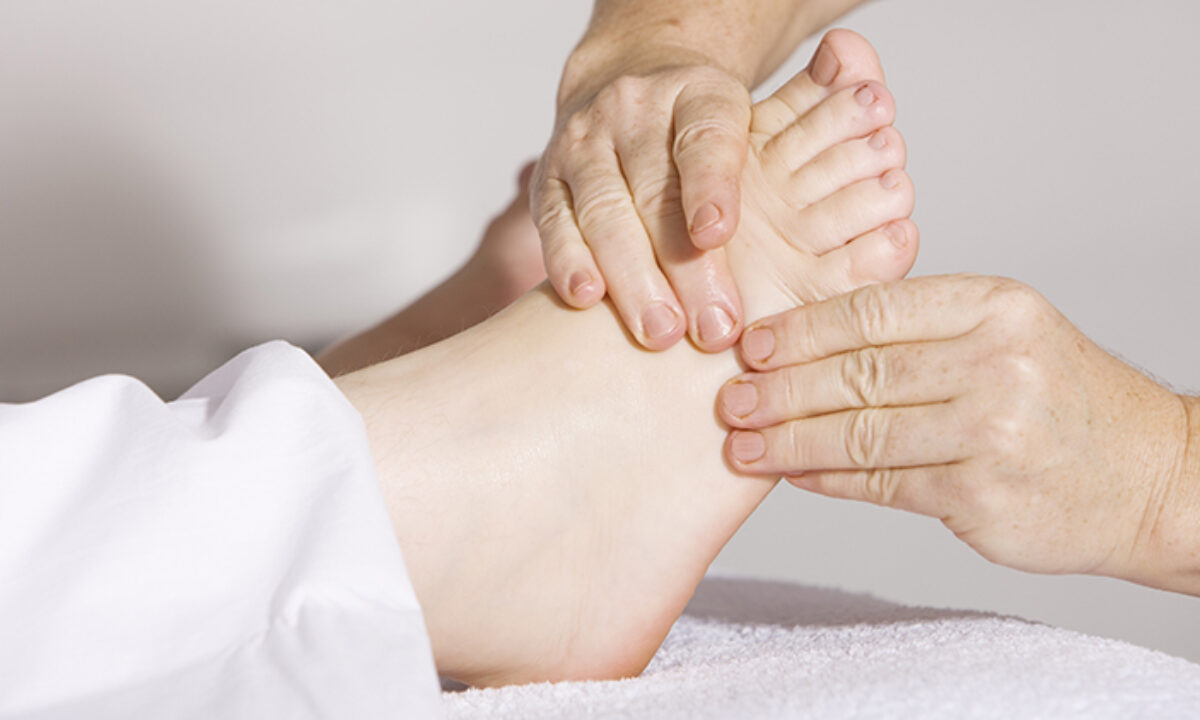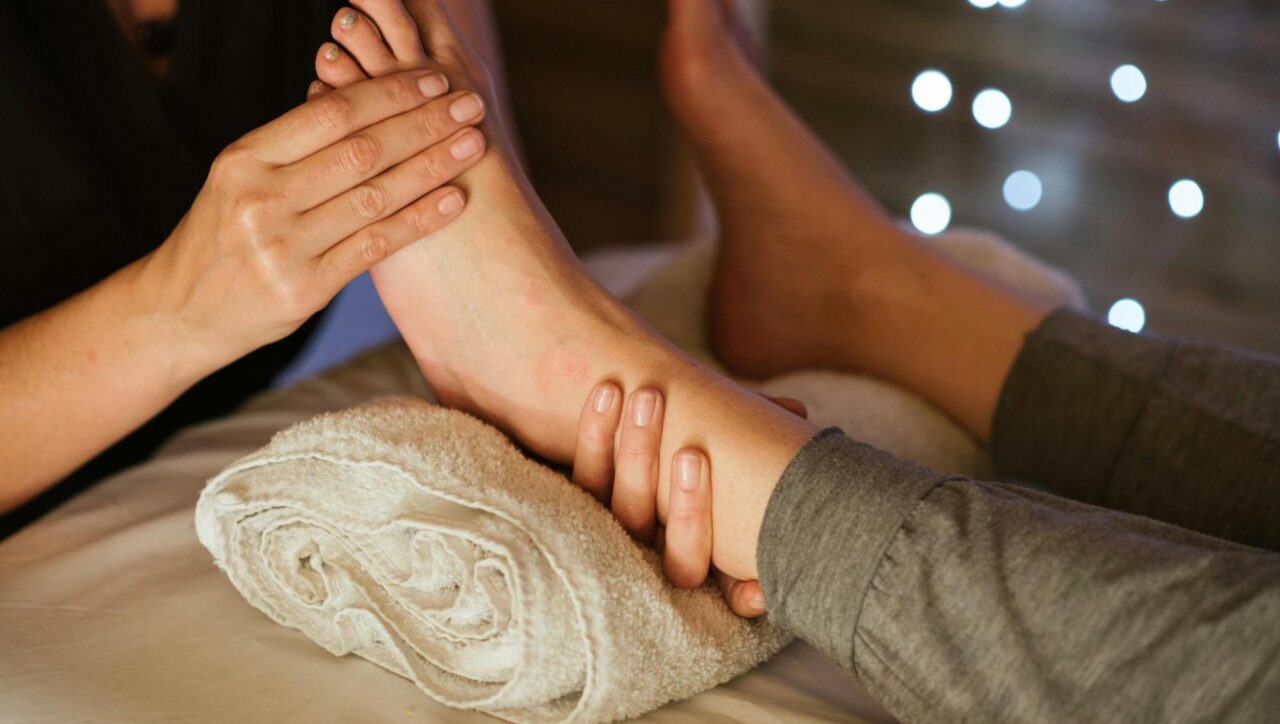
We’ve all experienced it: that deep, satisfying sigh of relief when we finally slip off tight shoes and massage our aching feet. This simple act taps into an ancient practice known as foot reflexology, a targeted therapy that offers far more than just momentary comfort for tired toes.
So, what exactly is it? Foot reflexology is a systematic practice of applying pressure to specific points, or reflexes, on the feet. These points are believed to correspond to different organs, glands, and systems within the body. Think of the soles of your feet as a miniature map of your entire being. While modern science views it primarily as a form of stimulating nerve pathways and promoting relaxation, the core principle is that by working these zones, we can encourage balance and well-being throughout the body.
The benefits of this focused attention are well-documented and extend beyond simple relaxation. First and foremost, it is a powerful stress-buster. By calming the nervous system, a good foot massage can melt away tension, reduce anxiety, and promote better sleep. It also significantly improves local circulation in the feet and legs, which can reduce swelling and that heavy, tired feeling. Many people report relief from common ailments like headaches, sinus congestion, and digestive discomfort after a session, as tension in corresponding reflex areas is released. For anyone who spends long hours on their feet, it’s a direct antidote to soreness and muscle stiffness. Ultimately, it’s a profound act of self-care that reconnects you with your body.
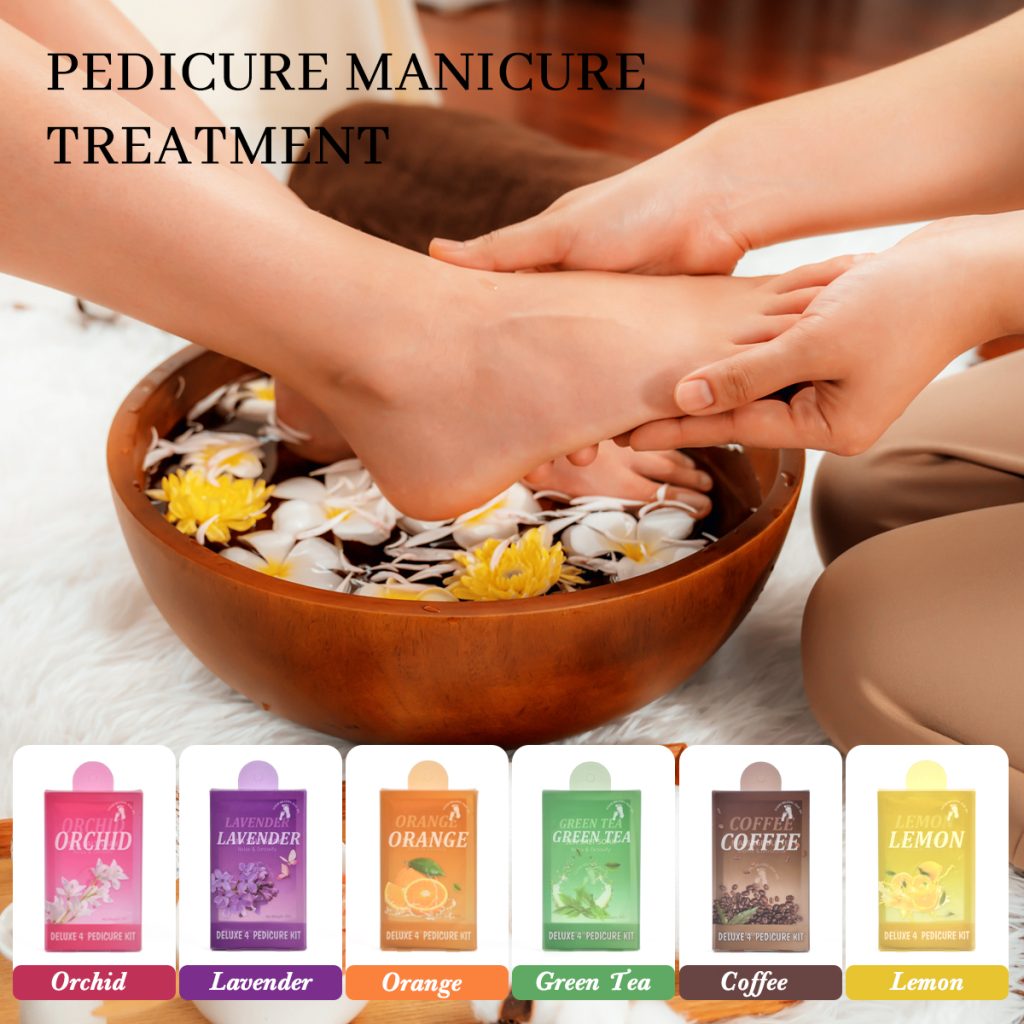
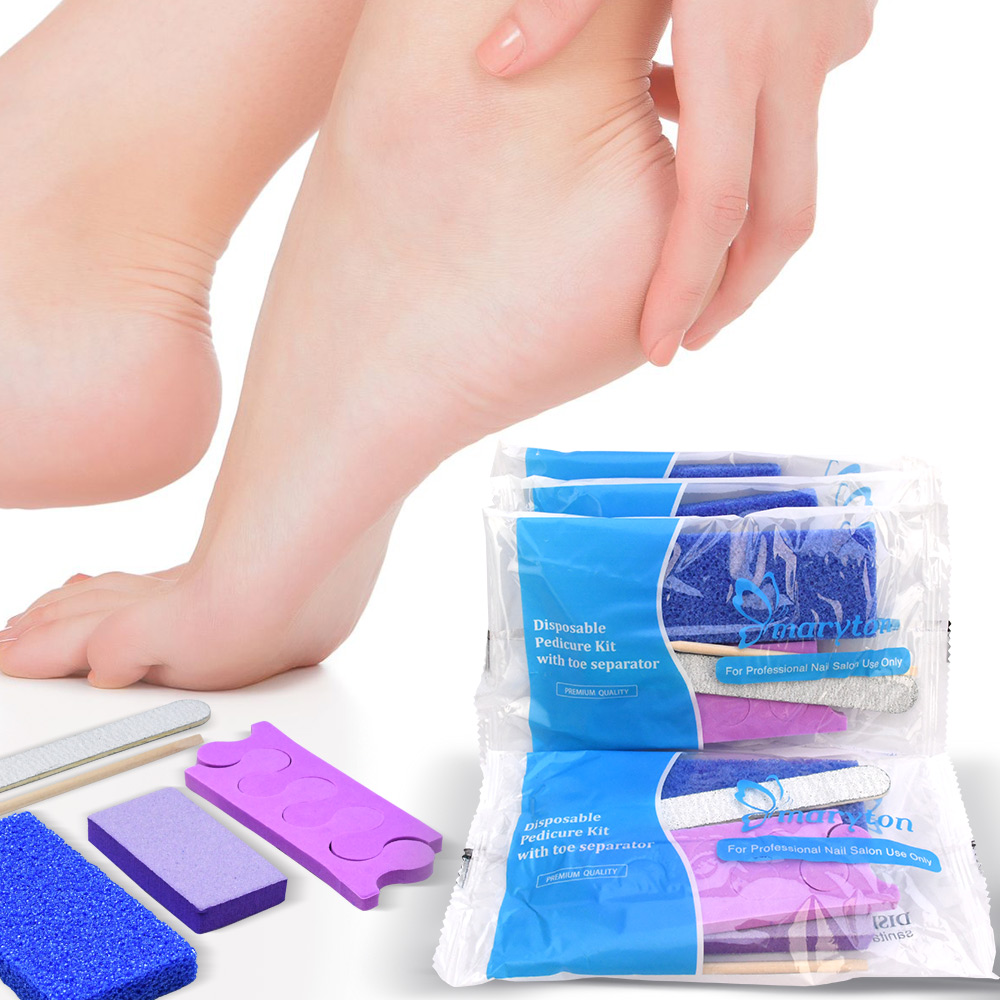
You don’t need a spa appointment to enjoy these benefits. A range of equipment can help, from pedicure and manicure sets. For the dedicated enthusiast, electric foot massagers offer vibrations, heat, and rolling motions for a hands-free experience. Manual tools like wooden or rubber reflexology rollers, balls, and sticks allow you to target specific points with precision. However, you can start with what you already have: a tennis ball rolled underfoot provides excellent arch massage, while your own two hands are the most sensitive and adaptable tools of all.
Achieving a perfect, relaxing session is about technique and environment. Start by creating a calm space. Wash and dry your feet, then apply a small amount of oil or lotion to reduce friction. Begin with gentle strokes to warm up the entire foot. Then, using your thumb, apply firm, crawling pressure to different areas. Pay special attention to the arch (linked to digestive organs), the ball of the foot (connected to the heart and lungs), the heel (relating to the lower back and sciatic nerve), and each toe (connected to the head and sinuses). Use a pressure that is firm but not painful. The session should feel like a “good hurt.” Finish with soothing strokes. Spend 5-15 minutes per foot, breathing deeply throughout.
However, foot reflexology has important limitations. It is a complementary therapy, not a substitute for medical diagnosis or treatment. Certain conditions require you to avoid it or seek a professional’s guidance. These include open wounds, infections, gout, or fractures in the foot. Those with deep vein thrombosis, severe osteoporosis, or serious cardiovascular conditions should consult a doctor first. Pregnant women are often advised to avoid specific reflex points. If any technique causes sharp pain (distinct from therapeutic discomfort), stop immediately.
In essence, foot reflexology is a bridge between ancient wisdom and modern self-care. It is an accessible, effective way to release tension, boost circulation, and listen to the messages your body sends from the ground up. By understanding its principles, benefits, and boundaries, you can turn a simple foot rub into a powerful ritual for holistic well-being, one soothing step at a time.

Related Posts